
Planting:
In NC, it works best to put seeds in the ground well after the last frost.
Also works fine to start inside and transplant.
They grow as vines (a lot like cucumbers), and need a trellis or something to grow up on.
Harvesting:
You have a choice!
Let them dry out on the vine OR harvest when firm and starting to yellow.
Drying out on the vine:
You’ll wait till the vine starts dying back and the skin of the loofahs get brown. Loofahs will remain firm, but eventually the skim will start popping off the sponge and you’ll be able to peel it right off.
My sister left hers to vine-dry one year and went out to check for mold after a November rainstorm. It turned out the rain has softened the skins and she had the easiest peeling ever!
Mold is the big risk with this method. NC is a humid place! There is a risk of mold getting in as your loofah goes through the drying process. This can ruin the whole sponge.
Harvesting early:
As soon as your loofah is firm to the touch, the sponge is developed enough to be harvesting. Usually it will start to yellow or spots will begin to dry to brown when it gets this firm.
A benefit of harvesting early is you can get a range of sponge types. The firm, well developed loofahs will be sturdy. Great for scrubbing dishes, etc. If you pick them early, you’ll get a softer sponge – I prefer those for bathing.
So long as it’s firm it’ll be developed enough to pick, and you’ll find a range of firmness as the loofahs develop.
The downside of harvesting early is getting off the skin. When a loofah dries on the vine, the skin starts to separate from the sponge naturally. With a ripe loofah that hasn’t dried out yet, the skin is still stuck.
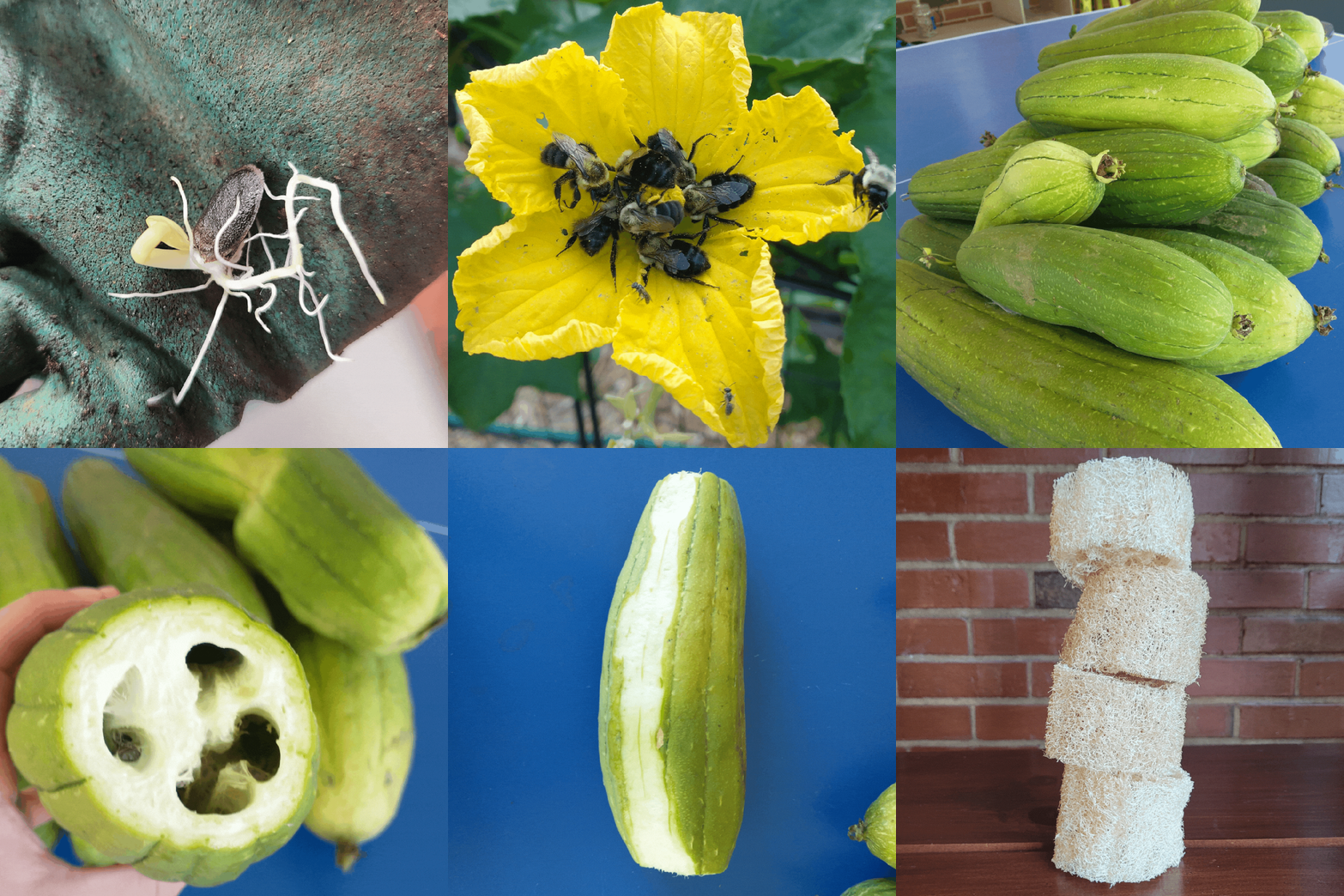
Push the loofah down on a hard surface and roll it around to loosen the skin and peel off. I use an old serrated knife to help .
Once the skin is off, you’ll be left with a loofah sponge filled with whiteish plant goo. Give it a good rinse and squeeze to remove the watery insides. There’s your sponge!
Hang the sponge to dry for at least a week. You may see little bits of skin become more visible as it gets dry. Cut those bits off to ensure no mold develops.
Don’t forget to save some seeds as you’re peeling! Store dry seeds in a cool dry place for next year.
Bleach or Not to Bleach?
One option, once you’ve got your sponges peeled, is to soak them in a diluted bleach solution. This whitens the sponges and ensures they never pickup mold.
I’ve used both bleached and unbleached loofah sponges – left in the shower, used for dishes, etc. I don’t bother with the bleaching step.
Loofah sponges don’t tend towards mold, and are easily cleaned like any other sponge. You can stick them in the microwave (run them through water and microwave for a minute or two. It’ll steam up and sanitize the sponge) or pop it in boiling water.
 Making Some